




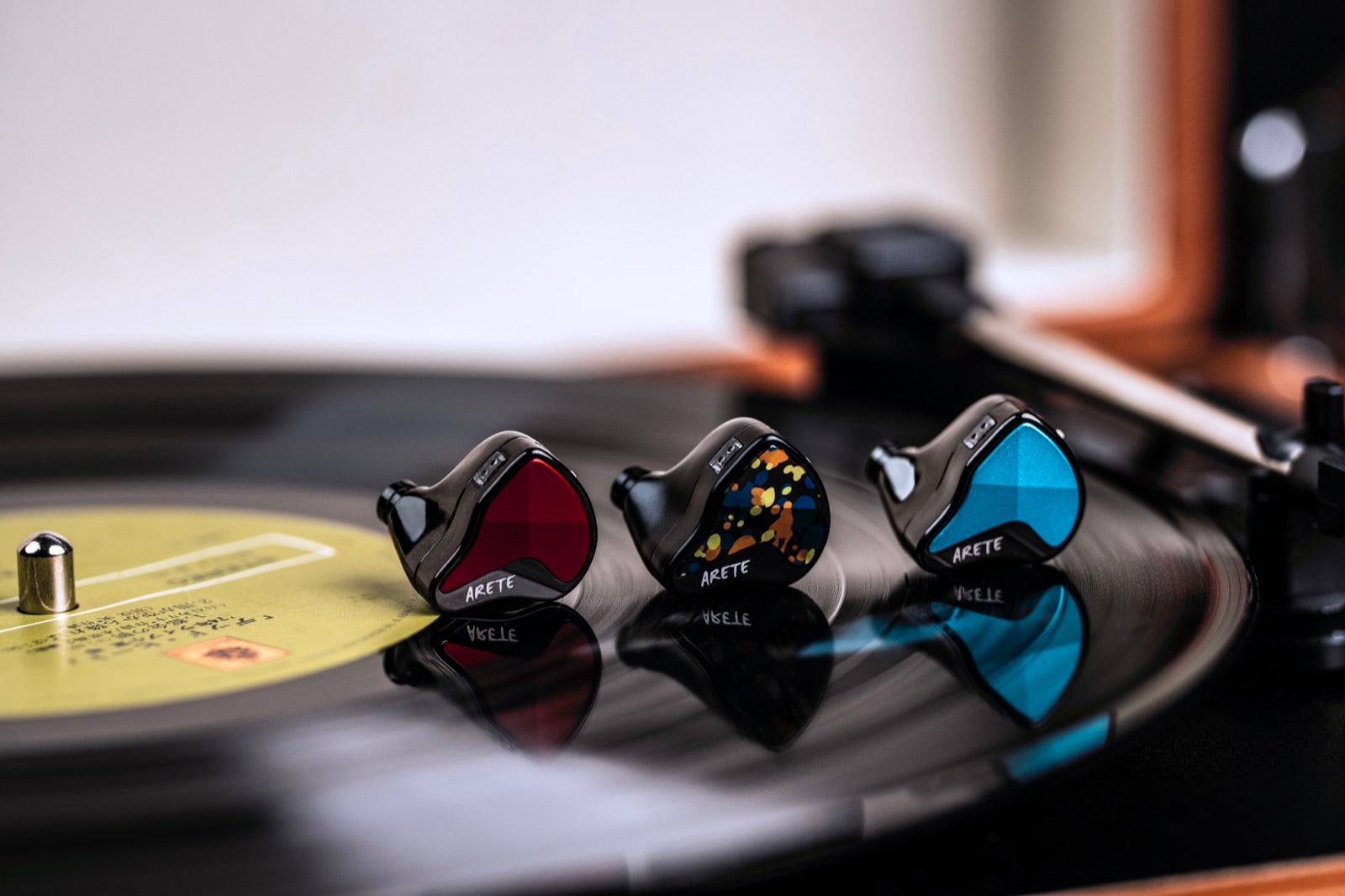


Feel the foundation.
Rumble and bass impact take the foreground.
 7HZ x Crinacle Zero: 2Dynamic Driver
From $21.24 USD
 Tripowin ZonieAudio Cable
From $11.47 USD
 7HZ Salnotes ZeroDynamic Driver
From $17.84 USD
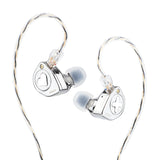 SIMGOT EW300Dynamic Driver + Planar + Piezoelectric
From $67.99 USD
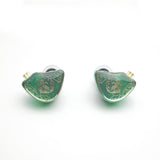 TANGZU Wan'er S.GDynamic Driver
From $17.10 USD
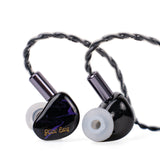 Kiwi Ears CadenzaDynamic Driver
$29.74 USD
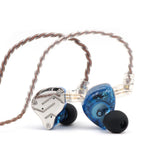 KZ ZS10 ProDynamic Driver + Balanced Armature
From $49.99 USD
 SIMGOT EM6LDynamic Driver + Balanced Armature
$106.24 USD
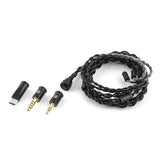 Kiwi Ears x B_Media: TerrasAudio Cable
From $39.09 USD
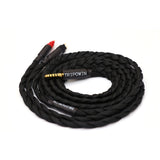 Tripowin GranViaAudio Cable
From $36.75 USD
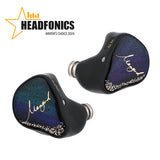 XENNS Mangird Tea PRODynamic Driver + Balanced Armature
$305.15 USD
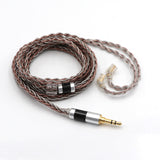 Tripowin C8Audio Cable
From $16.65 USD
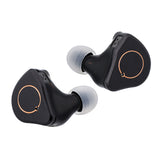 SIMGOT SuperMix 4Dynamic Driver + Balanced Armature + Planar + Piezoelectric
$144.49 USD
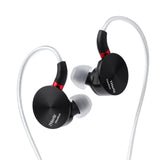 7HZ TimelessPlanar
$169.99 USD
Deep bass, punch and impact take the lead. Explore the low-end balance, then compare product responses and shop your preferred sound.
Your main selection stays in focus.
Curves align at 60 dB at 1 kHz. Each horizontal grid step is 10 dB.
Levels compare curve shapes. They are not calibrated sound pressure or listening volume.
Enable JavaScript to see and compare the illustrative curves.
Linsoul sound lab measurements, aligned at 1 kHz with the style curves.
Loading measurements…
Rumble and bass impact take the foreground.
Follow the lowest synth notes and the weight of the rhythm section, not only the loudness of a kick.
A broader bass rise may obscure the center of the mix.
A sub-bass shelf can lift deep notes while leaving more of the midrange alone. A broader warm rise can fill out instruments. Follow the shape across the bass-to-midrange transition.
Products tagged Basshead, as their main sound or a secondary trait. Each has its own tuning; the graph above is not a measurement of these products.
The sound stays fixed. Try another price range or remove a music or use preference.
Basshead puts the low end in the foreground. The useful distinction is where that emphasis sits: deep rumble, mid-bass weight, or a broad rise through both.
A deep shelf emphasizes the lowest bass relative to the midrange. A broader rise gives more weight to the rhythm section. Compare a sustained low synth note with a bass guitar or kick pattern instead of judging everything from one drop.
Follow the location and width of the bass rise.A bass shelf that returns sooner toward the middle differs from a rise that extends into instrumental body. Our Basshead and Warm illustrations show this contrast: deep weight and broad fullness do not have to arrive together.
Look at the transition from bass into mids.A frequency-response curve shows tonal level, not every aspect of performance. More bass on the plot does not establish lower distortion or better control. Check the individual model and listen to busy passages as well as sparse ones.
Keep bass amount separate from performance claims.Is your priority deep extension, rhythmic weight, or both?
Choose the part of the performance you enjoy. Each path below leads to products tagged for both Basshead sound and that preference.
A sound you enjoy is one part of the choice. Match it to your listening goal, then check the actual product.
No. A response curve describes tonal level. It does not alone establish distortion, output capability or how a system behaves at every listening level.
Yes, musical genres are not compatibility restrictions. You may prefer the extra body, or prefer a less emphasized balance on the same recording.
No. This is an editorial target construction for comparison. Individual products can emphasize different parts of the bass.
Community
Linsoul was founded in 2016 by Crazy HiFi team with the intention of providing world class customer service to the audiophile and music loving communities.
 Announcements🚀 Kiwi Ears Halcyon – World’s First MEMS Tribrid IEM Coming to Kickstarter (April 2026)
 AnnouncementsTHIEAUDIO Cypher Giveaway Ends 2 March – Don’t Miss the Kickstarter Launch!
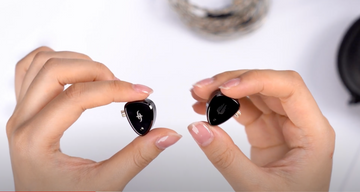 UnboxingSimgot EM6L Unboxing and Impressions
 ReviewsKiwi Ears have reinvented the KE4 - Is It a Worthy Upgrade??
 GuidesHow to Wear In-Ear Monitors Correctly


