




Let the upper textures through.
Upper-frequency energy brings bite and sparkle forward.
 7HZ x Crinacle Zero: 2Dynamic Driver
From $21.24 USD
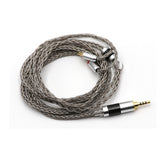 Tripowin ZonieAudio Cable
From $11.47 USD
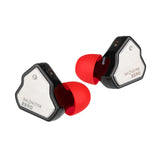 7HZ Salnotes ZeroDynamic Driver
From $17.84 USD
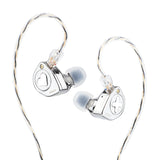 SIMGOT EW300Dynamic Driver + Planar + Piezoelectric
From $67.99 USD
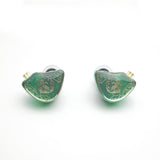 TANGZU Wan'er S.GDynamic Driver
From $17.10 USD
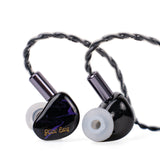 Kiwi Ears CadenzaDynamic Driver
$29.74 USD
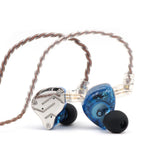 KZ ZS10 ProDynamic Driver + Balanced Armature
From $49.99 USD
 SIMGOT EM6LDynamic Driver + Balanced Armature
$106.24 USD
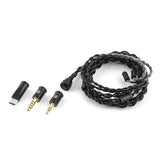 Kiwi Ears x B_Media: TerrasAudio Cable
From $39.09 USD
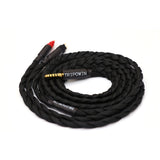 Tripowin GranViaAudio Cable
From $36.75 USD
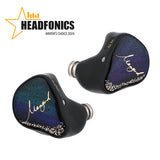 XENNS Mangird Tea PRODynamic Driver + Balanced Armature
$305.15 USD
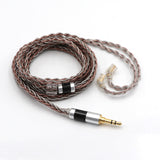 Tripowin C8Audio Cable
From $16.65 USD
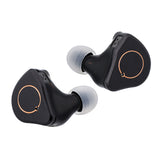 SIMGOT SuperMix 4Dynamic Driver + Balanced Armature + Planar + Piezoelectric
$144.49 USD
 7HZ TimelessPlanar
$169.99 USD
Presence, bite and sparkle move forward. Explore the upper-frequency balance, then compare products and find the amount of top-end energy you enjoy.
Your main selection stays in focus.
Curves align at 60 dB at 1 kHz. Each horizontal grid step is 10 dB.
Levels compare curve shapes. They are not calibrated sound pressure or listening volume.
Enable JavaScript to see and compare the illustrative curves.
Linsoul sound lab measurements, aligned at 1 kHz with the style curves.
Loading measurements…
Upper-frequency energy brings bite and sparkle forward.
Notice cymbal shimmer, the edge of a picked string and the articulation of consonants.
Extra treble can expose sharpness; it does not establish higher resolution.
A vocal emphasis can concentrate in the upper midrange. A bright balance can extend farther into treble. Inspect those regions separately before deciding which character you prefer.
Products tagged Bright, as their main sound or a secondary trait. Each has its own tuning; the graph above is not a measurement of these products.
The sound stays fixed. Try another price range or remove a music or use preference.
Bright describes an upper-range emphasis relative to the rest of the presentation. It can mean more presence, more treble sparkle, or both; those are different places on the graph.
The presence region can bring the edge of a voice or instrument forward. Higher treble can emphasize cymbal shimmer and upper texture. Compare which region rises rather than treating the whole right side as one control.
A forward voice and a sparkling cymbal are different cues.An upper range can seem more prominent when the lower range is leaner, even without an enormous treble peak. Compare the bass and instrumental body alongside the treble before describing the whole product as bright.
Brightness is a balance, not a single peak.Extra upper emphasis may draw attention to details, but it does not by itself demonstrate greater resolving ability. Use familiar consonants, strings and cymbals to decide whether the emphasis stays enjoyable for you.
Avoid turning treble quantity into a quality score.Do you enjoy extra articulation, extra sparkle, or both?
Choose the part of the performance you enjoy. Each path below leads to products tagged for both Bright sound and that preference.
A sound you enjoy is one part of the choice. Match it to your listening goal, then check the actual product.
More upper-frequency energy can draw attention to some sounds. It does not by itself establish better resolution, lower distortion or more accurate reproduction.
No. Voices span fundamentals and harmonics across the spectrum. Bringing voices forward is not identical to lifting the highest frequencies.
Choose a balance you enjoy, then check fit, isolation and the recording. The signature is not a noise-control feature.
Community
Linsoul was founded in 2016 by Crazy HiFi team with the intention of providing world class customer service to the audiophile and music loving communities.
 Announcements🚀 Kiwi Ears Halcyon – World’s First MEMS Tribrid IEM Coming to Kickstarter (April 2026)
 AnnouncementsTHIEAUDIO Cypher Giveaway Ends 2 March – Don’t Miss the Kickstarter Launch!
 UnboxingSimgot EM6L Unboxing and Impressions
 ReviewsKiwi Ears have reinvented the KE4 - Is It a Worthy Upgrade??
 GuidesHow to Wear In-Ear Monitors Correctly


