

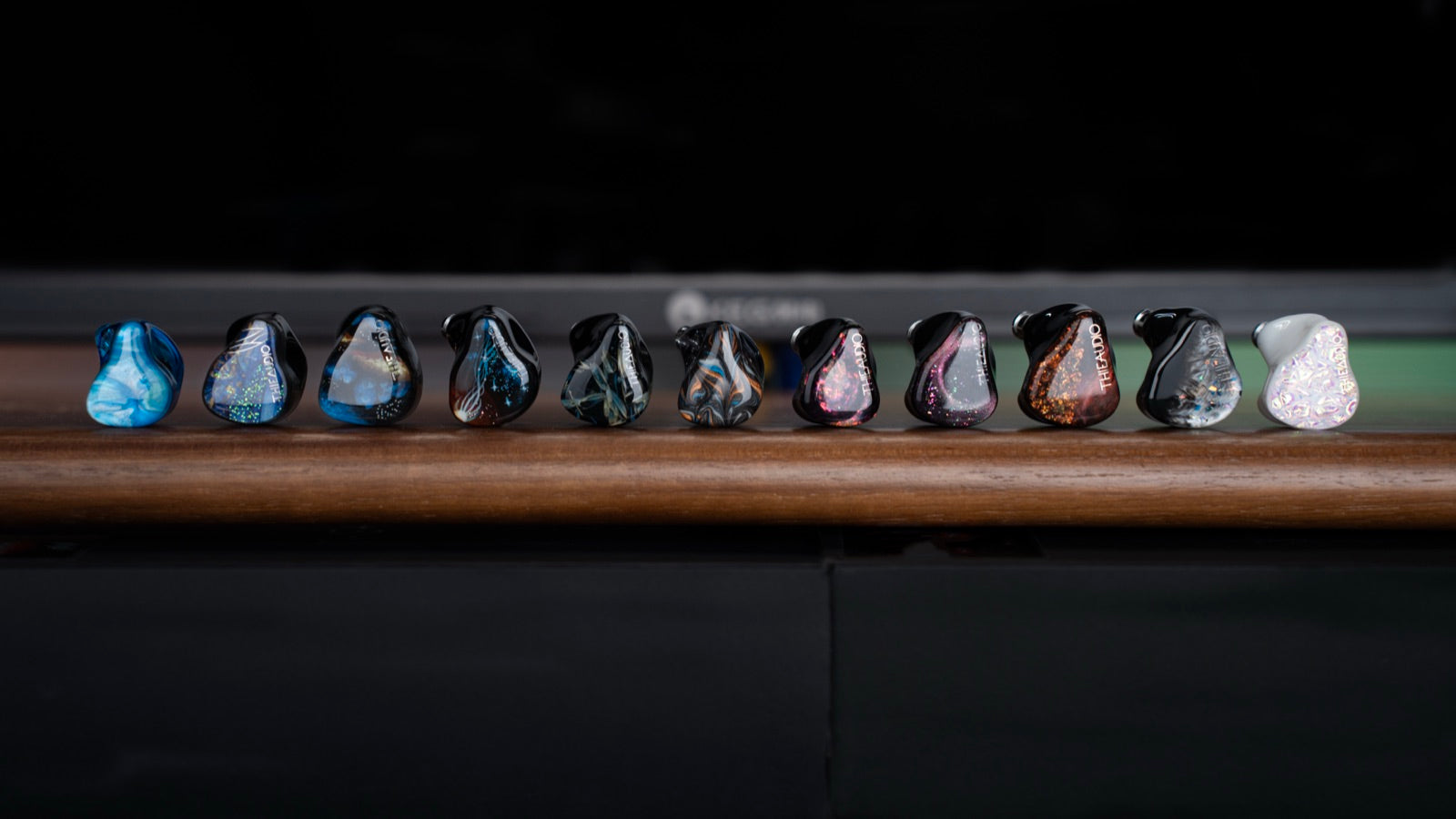

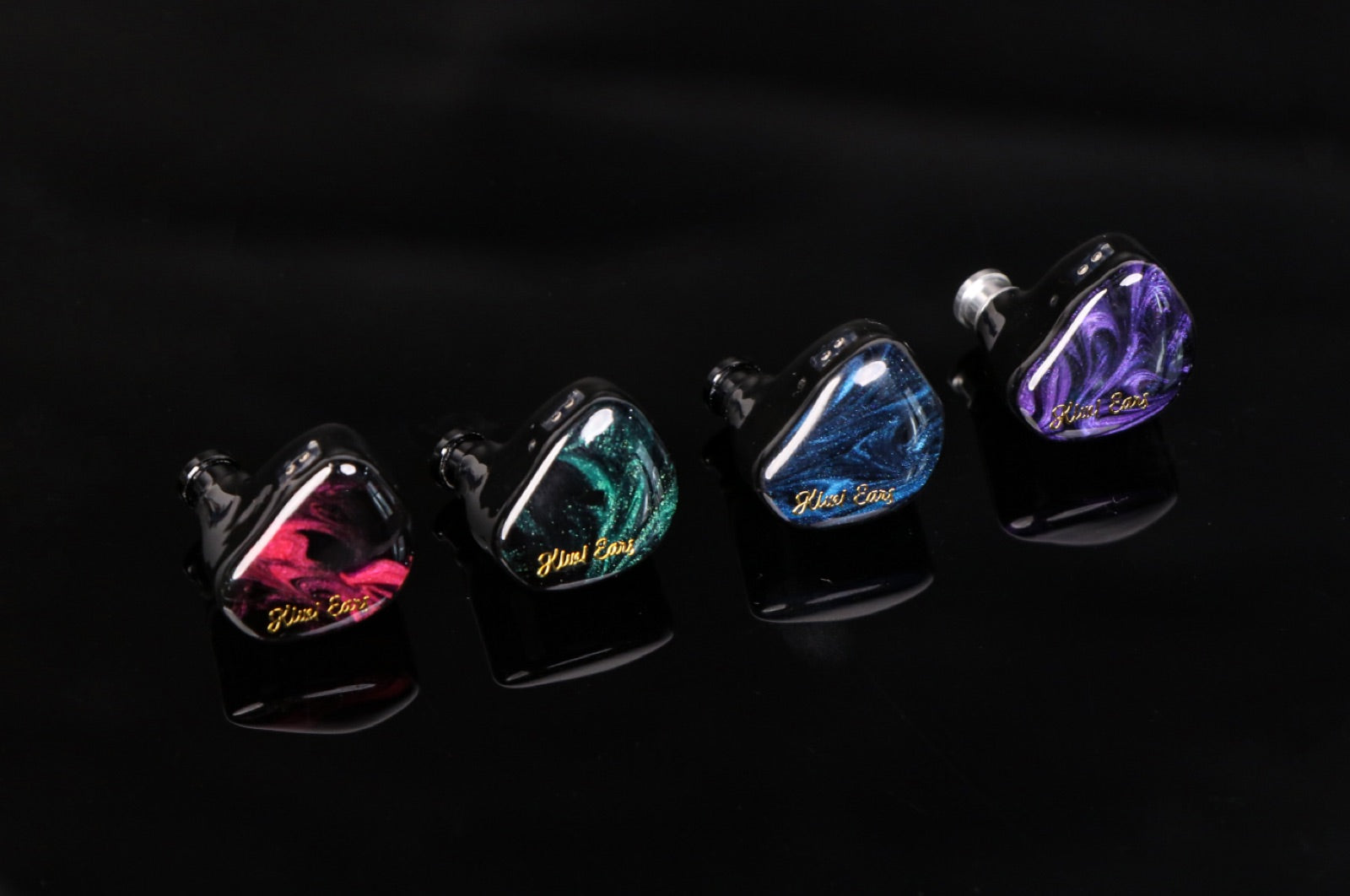
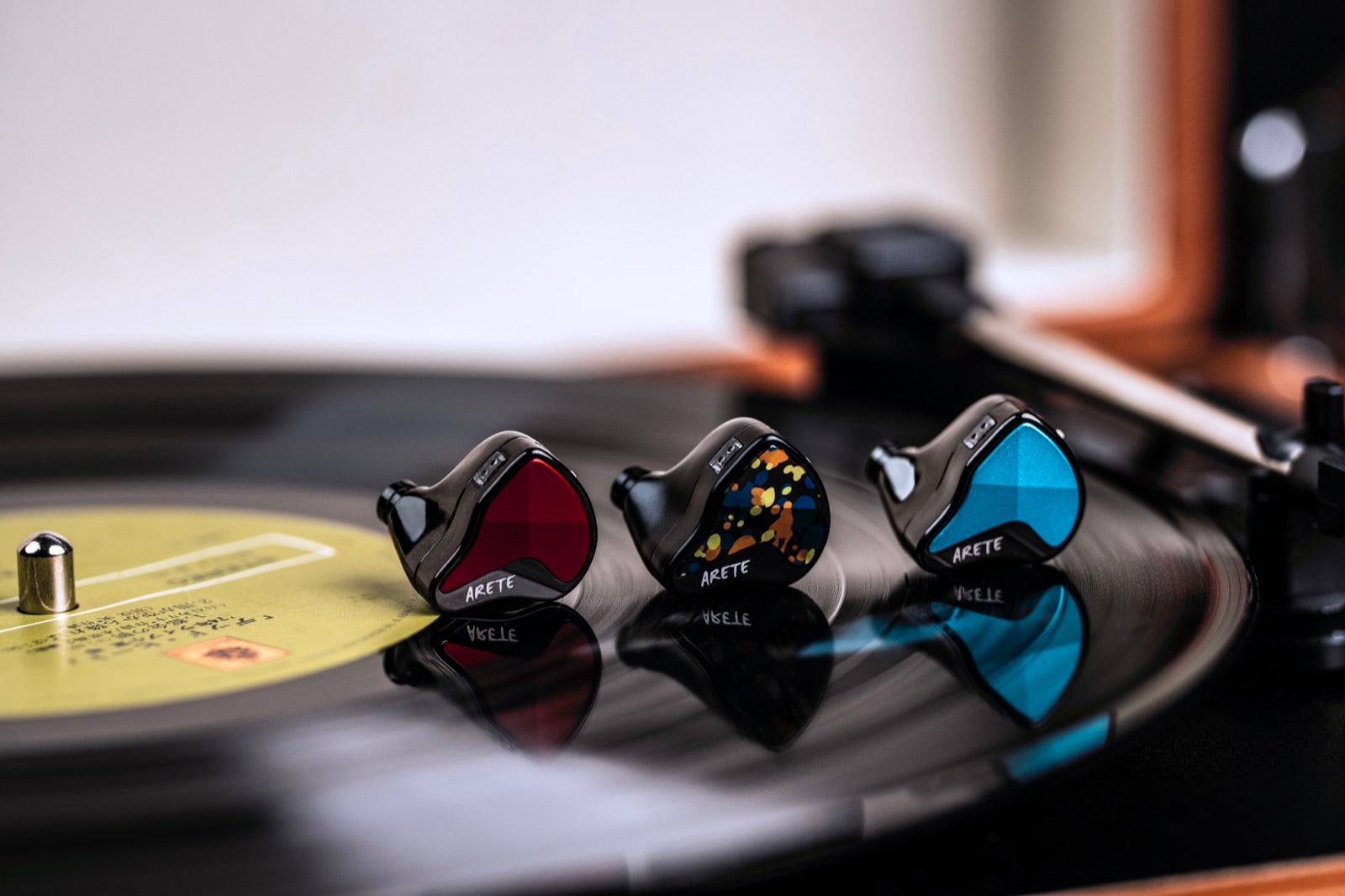


Start with a reference point.
A neutral-oriented starting point, with an identified reference.
 7HZ x Crinacle Zero: 2Dynamic Driver
From $21.24 USD
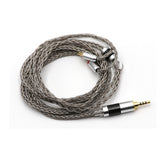 Tripowin ZonieAudio Cable
From $11.47 USD
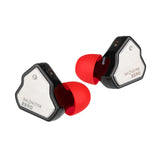 7HZ Salnotes ZeroDynamic Driver
From $17.84 USD
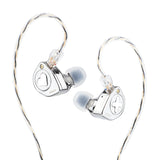 SIMGOT EW300Dynamic Driver + Planar + Piezoelectric
From $67.99 USD
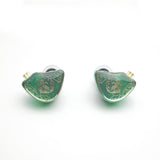 TANGZU Wan'er S.GDynamic Driver
From $17.10 USD
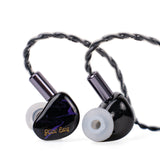 Kiwi Ears CadenzaDynamic Driver
$29.74 USD
 SIMGOT EM6LDynamic Driver + Balanced Armature
$106.24 USD
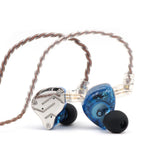 KZ ZS10 ProDynamic Driver + Balanced Armature
From $49.99 USD
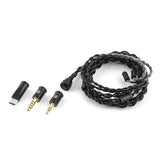 Kiwi Ears x B_Media: TerrasAudio Cable
From $39.09 USD
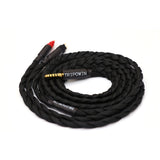 Tripowin GranViaAudio Cable
From $36.75 USD
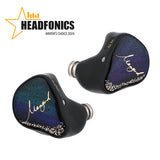 XENNS Mangird Tea PRODynamic Driver + Balanced Armature
$305.15 USD
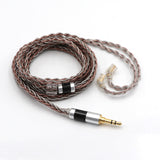 Tripowin C8Audio Cable
From $16.65 USD
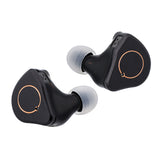 SIMGOT SuperMix 4Dynamic Driver + Balanced Armature + Planar + Piezoelectric
$144.49 USD
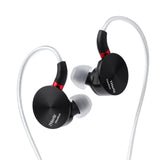 7HZ TimelessPlanar
$169.99 USD
A neutral-oriented starting point for tonal balance. Understand the reference behind the graph, then compare product responses with a clear point of comparison.
Your main selection stays in focus.
Curves align at 60 dB at 1 kHz. Each horizontal grid step is 10 dB.
Levels compare curve shapes. They are not calibrated sound pressure or listening volume.
Enable JavaScript to see and compare the illustrative curves.
Linsoul sound lab measurements, aligned at 1 kHz with the style curves.
Loading measurements…
A neutral-oriented starting point, with an identified reference.
Consider whether tonal balance stays consistent across familiar recordings instead of assuming one curve is correct for every listener.
Reference means little without a target and measurement context.
This page uses Harman in-ear 2019 as its named comparison reference. Balanced adds a small tilt in this illustration. Neither turns a sound label into a measurement certification.
Products tagged Reference, as their main sound or a secondary trait. Each has its own tuning; the graph above is not a measurement of these products.
The sound stays fixed. Try another price range or remove a music or use preference.
Reference is most useful when the benchmark is named. On this page the illustrative target uses Harman in-ear 2019 as its base; a product's sound label is a separate editorial description.
A reference line is a declared comparison, not a universal preference. Our target follows the sourced in-ear benchmark without an added style offset. A product carrying the Reference tag is not automatically an exact match to it.
Keep the named target and the product tag separate.The supported product traces and target are aligned at 1 kHz on a 70 dB display reference. This removes their starting-level offset for comparison; it does not turn the plot into calibrated listening volume.
Same alignment, same axis, identified source.Inspect broad tonal departures and the source conditions. A close trace is not a studio certification, a distortion result or a complete account of imaging. Decide which listening task needs a benchmark and verify the actual product for that task.
A useful reference makes its limits explicit.Which benchmark and listening task are you comparing against?
Choose the part of the performance you enjoy. Each path below leads to products tagged for both Reference sound and that preference.
A sound you enjoy is one part of the choice. Match it to your listening goal, then check the actual product.
A target measured through an ear simulator need not be horizontal. Aligning it at 70 dB at 1 kHz shifts its position without flattening its shape.
No. It is the explicit reference included in this review build. Other named targets require their own source data and measurement context.
No. A sound label is not a measurement certificate. Evaluate the model and the monitoring task with appropriate evidence.
Community
Linsoul was founded in 2016 by Crazy HiFi team with the intention of providing world class customer service to the audiophile and music loving communities.
 Announcements🚀 Kiwi Ears Halcyon – World’s First MEMS Tribrid IEM Coming to Kickstarter (April 2026)
 AnnouncementsTHIEAUDIO Cypher Giveaway Ends 2 March – Don’t Miss the Kickstarter Launch!
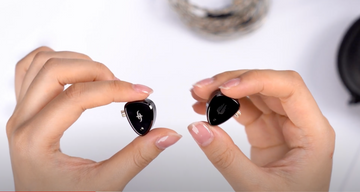 UnboxingSimgot EM6L Unboxing and Impressions
 ReviewsKiwi Ears have reinvented the KE4 - Is It a Worthy Upgrade??
 GuidesHow to Wear In-Ear Monitors Correctly


