

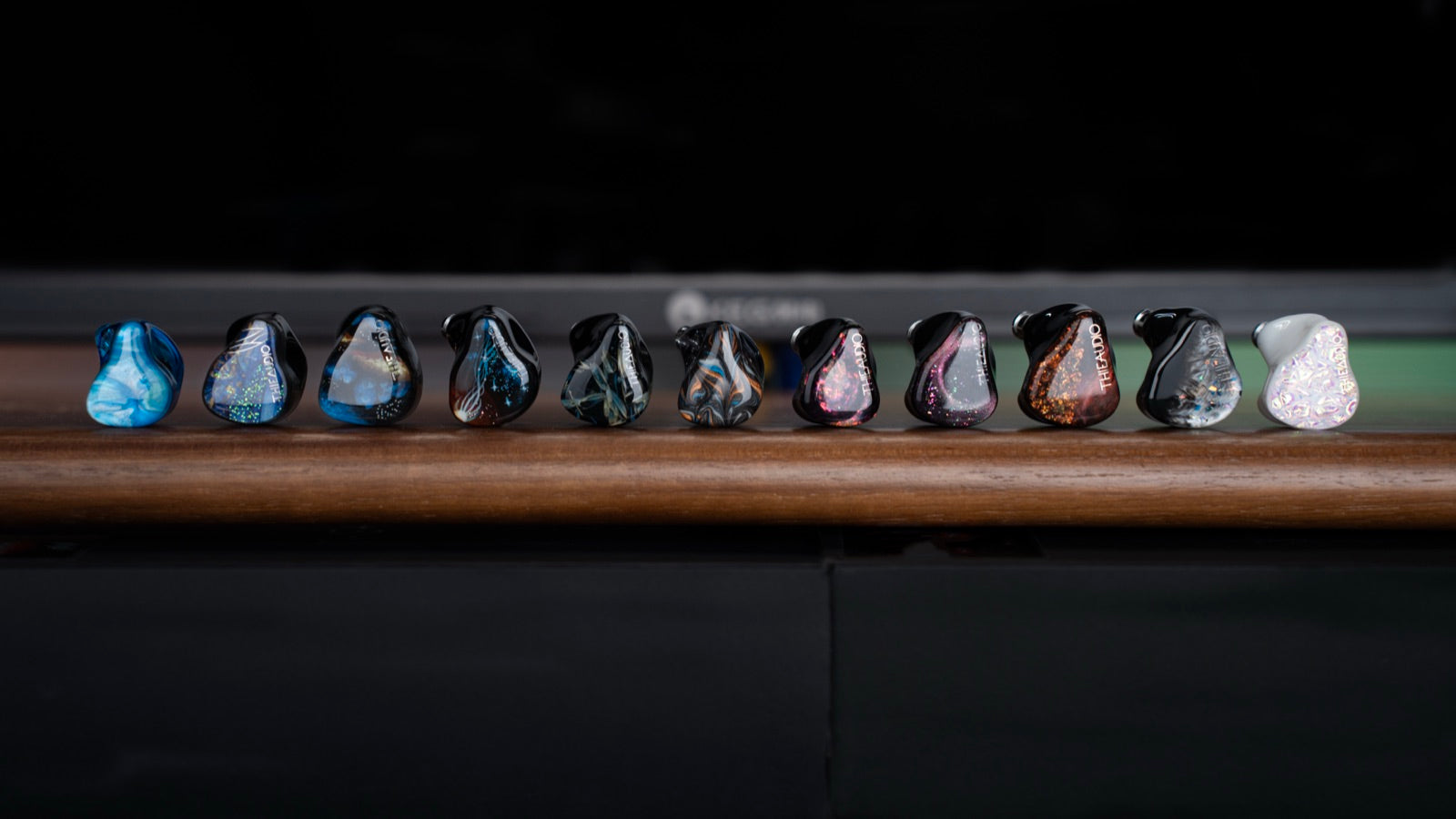

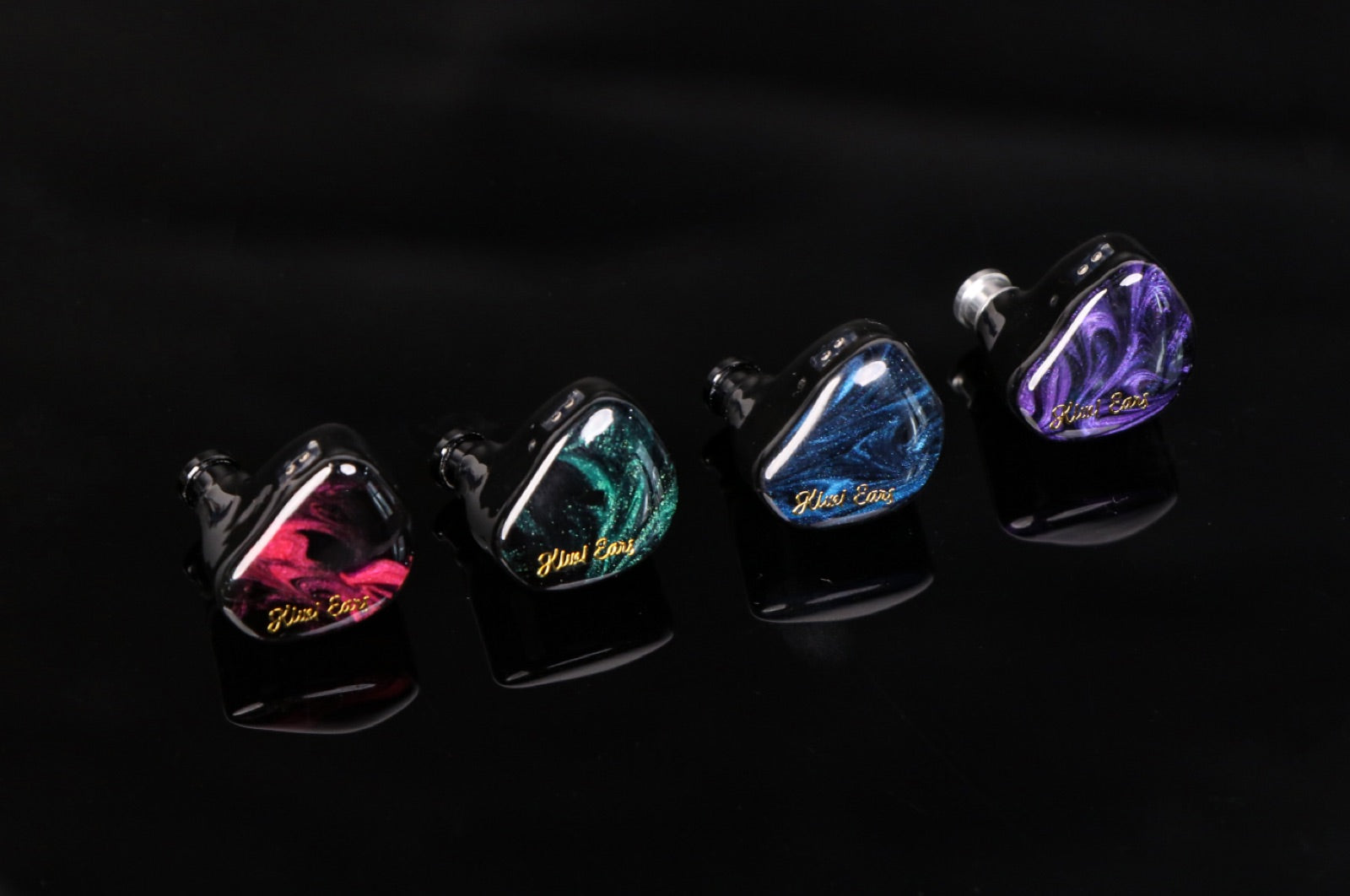
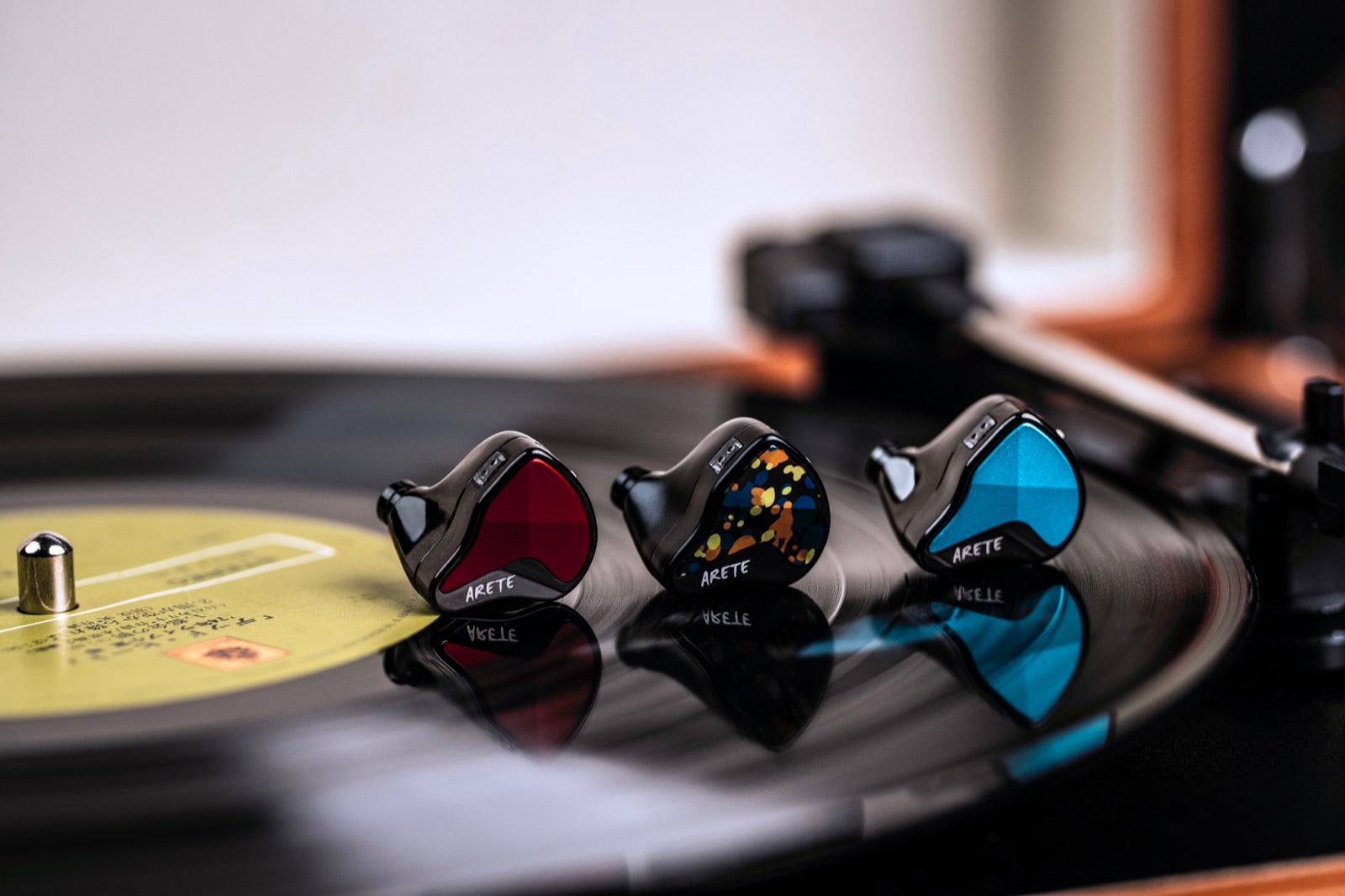


Give the voice its place.
Voice and midrange presence take a more central role.
 7HZ x Crinacle Zero: 2Dynamic Driver
From $21.24 USD
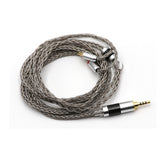 Tripowin ZonieAudio Cable
From $11.47 USD
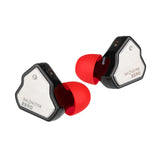 7HZ Salnotes ZeroDynamic Driver
From $17.84 USD
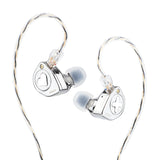 SIMGOT EW300Dynamic Driver + Planar + Piezoelectric
From $67.99 USD
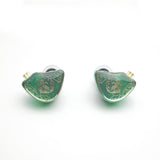 TANGZU Wan'er S.GDynamic Driver
From $17.10 USD
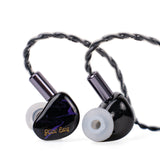 Kiwi Ears CadenzaDynamic Driver
$29.74 USD
 SIMGOT EM6LDynamic Driver + Balanced Armature
$106.24 USD
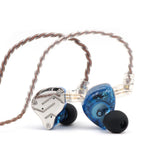 KZ ZS10 ProDynamic Driver + Balanced Armature
From $49.99 USD
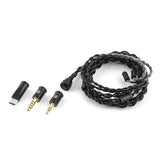 Kiwi Ears x B_Media: TerrasAudio Cable
From $39.09 USD
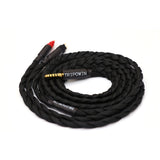 Tripowin GranViaAudio Cable
From $36.75 USD
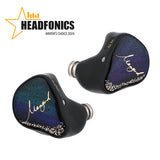 XENNS Mangird Tea PRODynamic Driver + Balanced Armature
$305.15 USD
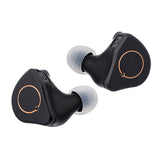 SIMGOT SuperMix 4Dynamic Driver + Balanced Armature + Planar + Piezoelectric
$144.49 USD
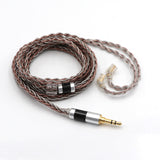 Tripowin C8Audio Cable
From $16.65 USD
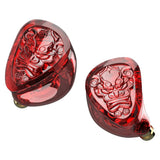 TANGZU Wan’er S.G II Bass Version (Lion Edition)Dynamic Driver
From $20.70 USD
Voices come into focus without losing their body. Explore the midrange balance, then compare products for the vocal presentation you enjoy.
Your main selection stays in focus.
Curves align at 60 dB at 1 kHz. Each horizontal grid step is 10 dB.
Levels compare curve shapes. They are not calibrated sound pressure or listening volume.
Enable JavaScript to see and compare the illustrative curves.
Linsoul sound lab measurements, aligned at 1 kHz with the style curves.
Loading measurements…
Voice and midrange presence take a more central role.
Listen to the body and articulation of the singer together. A voice spans fundamentals and harmonics, not a single frequency band.
Too much presence can sound insistent; vocal focus is not simply more treble.
Listen for body as well as articulation. This illustrative Vocal target concentrates its extra presence lower than the Bright example, which carries more lift into the treble.
Products tagged Vocal, as their main sound or a secondary trait. Each has its own tuning; the graph above is not a measurement of these products.
The sound stays fixed. Try another price range or remove a music or use preference.
Vocal sound directs attention toward the voice and midrange. A voice has body as well as presence, so vocal focus cannot be reduced to turning up a single narrow band.
The lower part of a voice contributes to its fullness. A vocal-focused product does not need to be lean: compare whether the voice keeps its substance while coming forward against the accompaniment.
Presence without body may not be the balance you want.A broad presence emphasis can bring a lead performance forward, while an upper-treble emphasis highlights different cues. The Vocal versus Bright comparison makes that distinction visible without assigning every voice to one frequency bin.
Vocal focus and added sparkle are different choices.Whether a voice feels forward also depends on the surrounding mix. Compare the vocal during a busy chorus, not only a solo verse. Too much emphasis can feel insistent; too much competing bass can pull attention elsewhere.
Choose intimacy without losing the rest of the song.Does the voice feel closer while retaining its natural body?
Choose the part of the performance you enjoy. Each path below leads to products tagged for both Vocal sound and that preference.
A sound you enjoy is one part of the choice. Match it to your listening goal, then check the actual product.
It is a listening description, not one compulsory filter. The voice and its harmonics span regions, and the surrounding bass and treble also affect the impression.
Try music where a lead voice or melodic line is your focus. The genre suggestions are starting points, not restrictions.
Not automatically. The location of emphasis, recording and listening conditions matter. This graph compares response, not a speech-intelligibility score.
Community
Linsoul was founded in 2016 by Crazy HiFi team with the intention of providing world class customer service to the audiophile and music loving communities.
 Announcements🚀 Kiwi Ears Halcyon – World’s First MEMS Tribrid IEM Coming to Kickstarter (April 2026)
 AnnouncementsTHIEAUDIO Cypher Giveaway Ends 2 March – Don’t Miss the Kickstarter Launch!
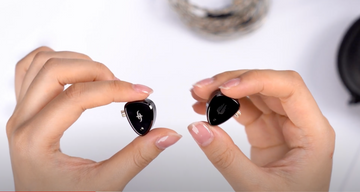 UnboxingSimgot EM6L Unboxing and Impressions
 ReviewsKiwi Ears × ふぐみかん Ember Review — A Controlled Flame
 GuidesHow to Wear In-Ear Monitors Correctly


