
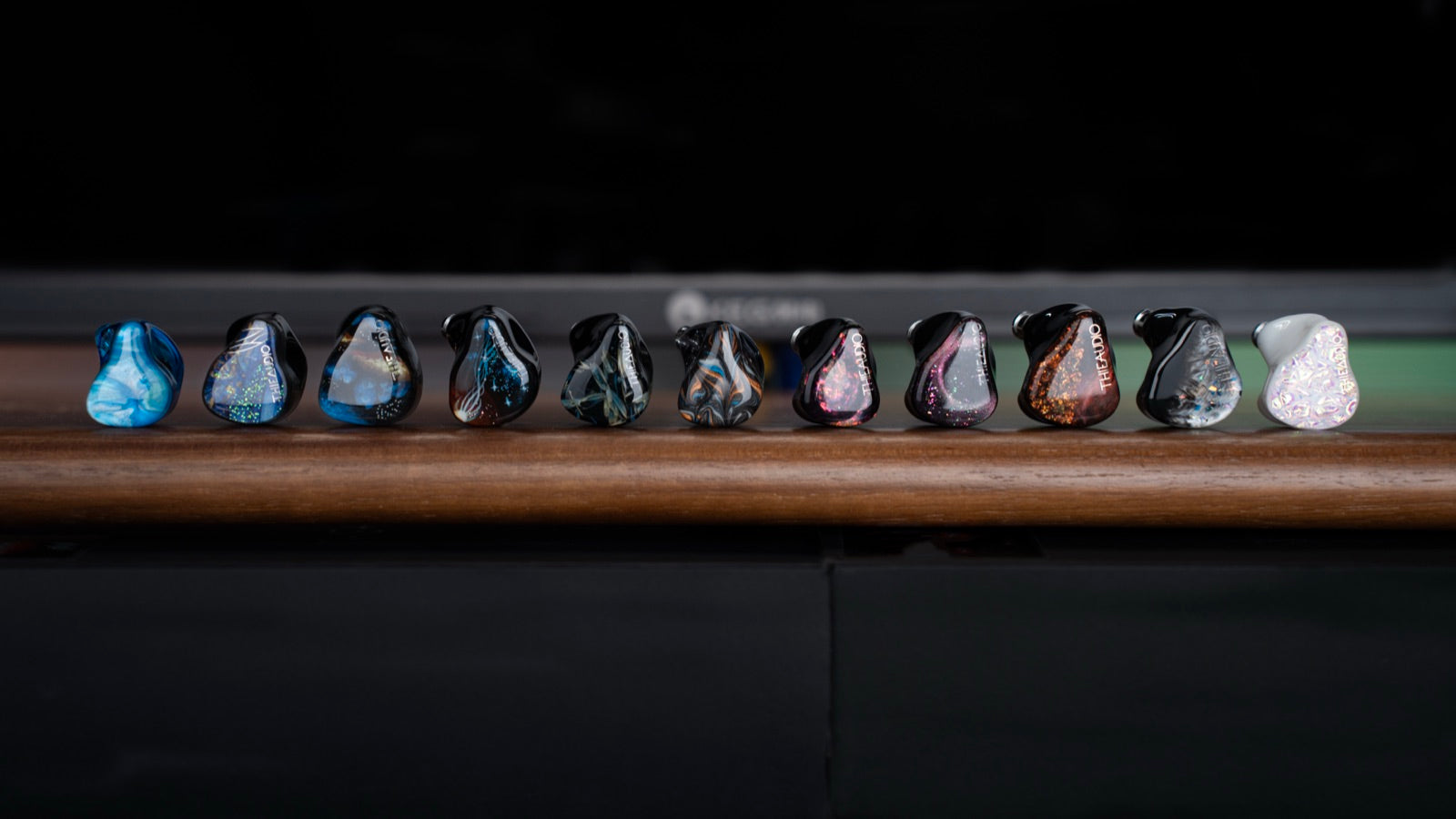

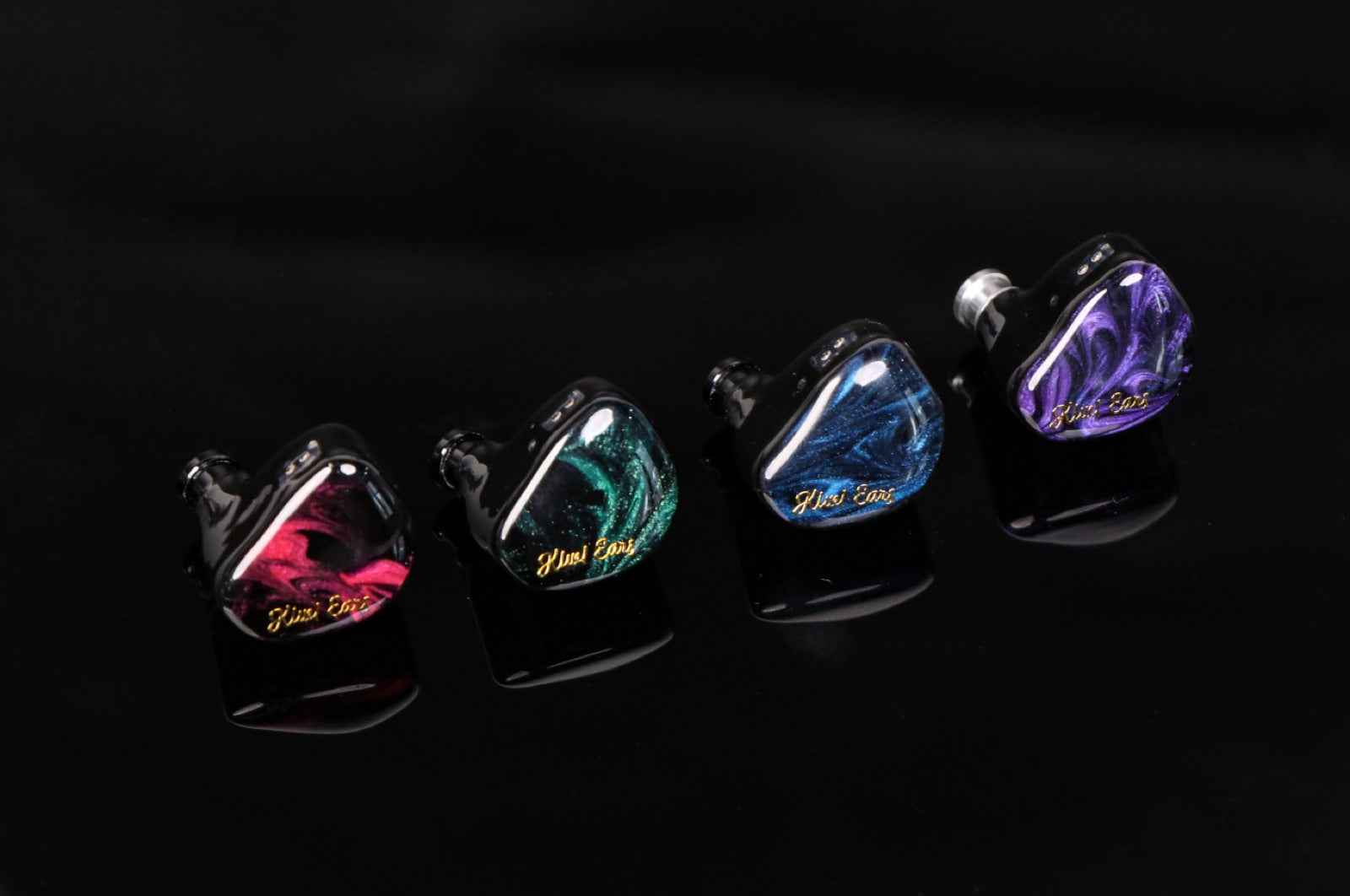
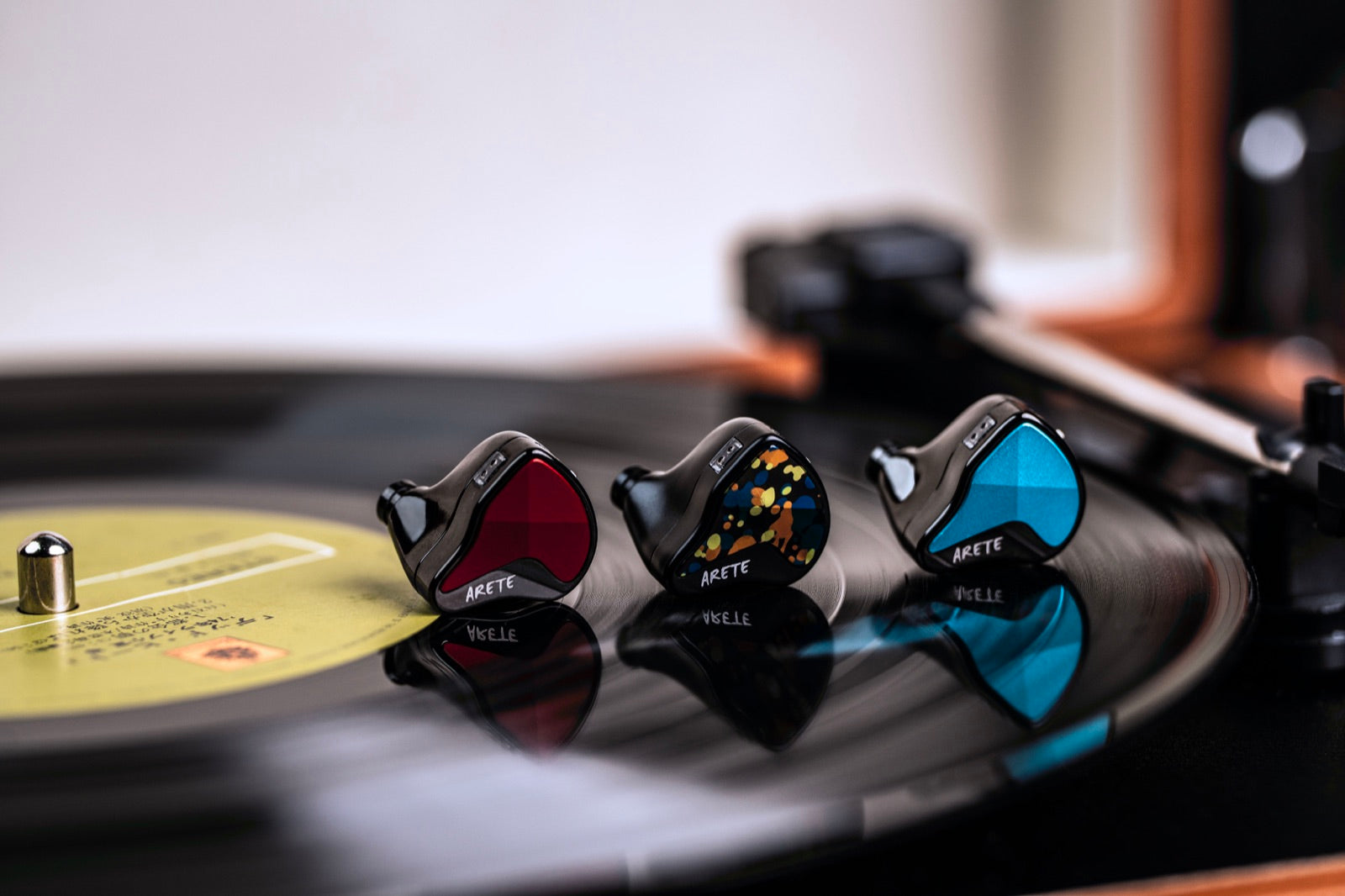

Body before bite.
Fuller instruments, with a softer upper balance.
 7HZ x Crinacle Zero: 2Dynamic Driver
From $24.99 USD
7HZ x Crinacle Zero: 2Dynamic Driver
From $24.99 USD
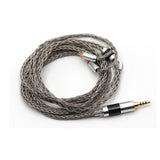 Tripowin ZonieAudio Cable
From $11.47 USD
Tripowin ZonieAudio Cable
From $11.47 USD
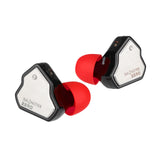 7HZ Salnotes ZeroDynamic Driver
From $20.99 USD
7HZ Salnotes ZeroDynamic Driver
From $20.99 USD
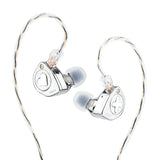 SIMGOT EW300Dynamic Driver + Planar + Piezoelectric
From $79.99 USD
SIMGOT EW300Dynamic Driver + Planar + Piezoelectric
From $79.99 USD
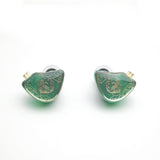 TANGZU Wan'er S.GDynamic Driver
From $19.00 USD
TANGZU Wan'er S.GDynamic Driver
From $19.00 USD
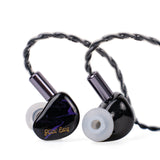 Kiwi Ears CadenzaDynamic Driver
$34.99 USD
Kiwi Ears CadenzaDynamic Driver
$34.99 USD
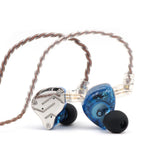 KZ ZS10 ProDynamic Driver + Balanced Armature
From $49.99 USD
KZ ZS10 ProDynamic Driver + Balanced Armature
From $49.99 USD
 SIMGOT EM6LDynamic Driver + Balanced Armature
$124.99 USD
SIMGOT EM6LDynamic Driver + Balanced Armature
$124.99 USD
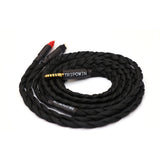 Tripowin GranViaAudio Cable
From $36.75 USD
Tripowin GranViaAudio Cable
From $36.75 USD
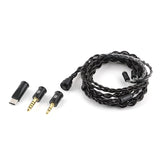 Kiwi Ears x B_Media: TerrasAudio Cable
From $45.99 USD
Kiwi Ears x B_Media: TerrasAudio Cable
From $45.99 USD
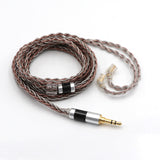 Tripowin C8Audio Cable
From $16.65 USD
Tripowin C8Audio Cable
From $16.65 USD
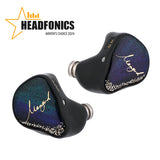 XENNS Mangird Tea PRODynamic Driver + Balanced Armature
$359.00 USD
XENNS Mangird Tea PRODynamic Driver + Balanced Armature
$359.00 USD
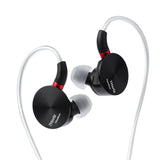 7HZ TimelessPlanar
$199.99 USD
7HZ TimelessPlanar
$199.99 USD
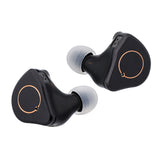 SIMGOT SuperMix 4Dynamic Driver + Balanced Armature + Planar + Piezoelectric
$169.99 USD
SIMGOT SuperMix 4Dynamic Driver + Balanced Armature + Planar + Piezoelectric
$169.99 USD
Fuller instruments, richer body and a gentler upper balance. Explore the shape of warmth, then compare products with the character you enjoy.
Your main selection stays in focus.
Curves align at 60 dB at 1 kHz. Each horizontal grid step is 10 dB.
Levels compare curve shapes. They are not calibrated sound pressure or listening volume.
Enable JavaScript to see and compare the illustrative curves.
Linsoul sound lab measurements, aligned at 1 kHz with the style curves.
Loading measurements…
Fuller instruments, with a softer upper balance.
The weight of a piano chord, the body behind a guitar and the fullness of a voice.
Too much lower-range emphasis can crowd a busy arrangement.
Warmth often extends into instrumental body. Basshead tuning can put its strongest emphasis much lower. Compare where the two rises stop, not only how high they reach.
Products tagged Warm, as their main sound or a secondary trait. Each has its own tuning; the graph above is not a measurement of these products.
The sound stays fixed. Try another price range or remove a music or use preference.
Warmth describes a relationship: more weight in the lower range, less emphasis on the upper edge, or a combination of the two. The shape matters more than one high point on a graph.
In our Warm illustration, the emphasis reaches beyond the deepest bass into the body of instruments. Listen to the fullness behind a piano chord or a strummed guitar, rather than only the rumble below it.
A deep bass shelf alone is not the whole story.A comparatively gentler upper balance can make the lower range feel more prominent. Warm does not mean every treble feature disappears: an individual model can still have a lively upper region.
Read the lower and upper range together.A broad lower-range rise may be appealing on sparse recordings, yet feel thick in a dense arrangement. Compare a familiar vocal over bass and drums: does the body remain inviting, or begin to compete with the center of the mix?
Choose the amount of body you enjoy, not the largest boost.Would you rather hear the body of the note, or the leading edge?
Choose the part of the performance you enjoy. Each path below leads to products tagged for both Warm sound and that preference.
A sound you enjoy is one part of the choice. Match it to your listening goal, then check the actual product.
Not necessarily. A fuller lower-midrange and a gentler treble balance can create warmth without making the deepest bass the main attraction.
No. Peaks, fit, listening level and the recording still matter. A broad signature label is not a comfort or fatigue guarantee.
Start with the individual tuning and fit, not a driver-family promise. The products we carry include different constructions with overlapping tonal goals.
Community
Linsoul was founded in 2016 by Crazy HiFi team with the intention of providing world class customer service to the audiophile and music loving communities.
 Announcements🚀 Kiwi Ears Halcyon – World’s First MEMS Tribrid IEM Coming to Kickstarter (April 2026)
 AnnouncementsTHIEAUDIO Cypher Giveaway Ends 2 March – Don’t Miss the Kickstarter Launch!
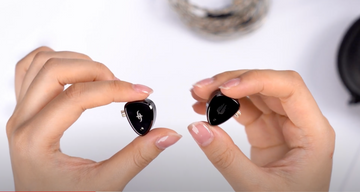 UnboxingSimgot EM6L Unboxing and Impressions
 Reviews7Hz x Crinacle Diablo Review
 GuidesHow to Wear In-Ear Monitors Correctly


